AI Features
How AI Writes Your Menu Descriptions in Seconds
By Tacoter Team · March 9, 2026 · 4 min read
You are a cook, not a copywriter. Nobody opened a taquería because they wanted to write 60 short paragraphs about their own food. But online, those paragraphs are your server — they're what convinces someone scrolling on their phone to tap Add rather than keep scrolling.
Why menu descriptions matter for orders
In a dining room, a good server sells the special. Online, the description does that job alone. Three things happen when descriptions improve:
- Hesitant customers commit. Most people don't know what lengua, suadero, or chicharrón en salsa verde tastes like. A sentence removes the risk.
- Average tickets rise. Naming what comes with the plate — rice, frijoles de la olla, two tortillas — makes a $14 platillo feel like a deal instead of an expensive taco.
- Fewer refunds and complaints. If the description says the salsa is hot, nobody is surprised that the salsa is hot.
Sensory and origin words do real work here. Research summarized by Cornell's food and brand lab has long found that descriptive menu labels raise both sales and how customers rate the same dish.
Before and after: boring vs. AI-enhanced
These are the kinds of entries we see when a taquería first uploads a menu, and what the generator returns.
| Item | Typical menu text | AI-generated description |
|---|---|---|
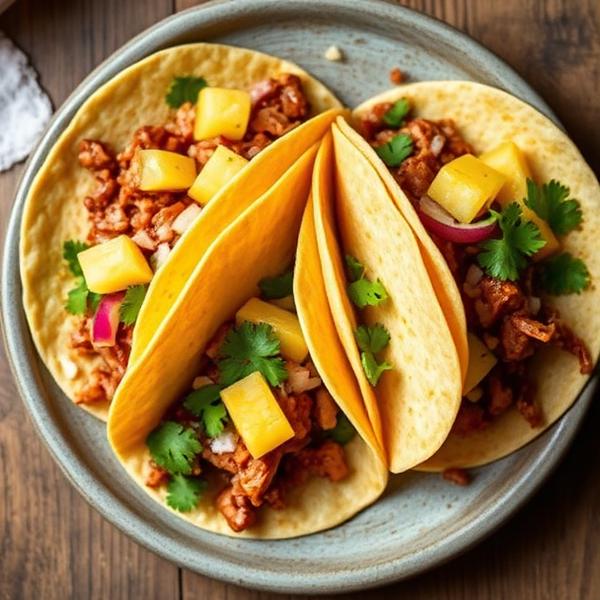
| Tacos al Pastor | Pork tacos | Achiote-marinated pork shaved off the trompo, finished with grilled pineapple, white onion, and cilantro on warm corn tortillas. |
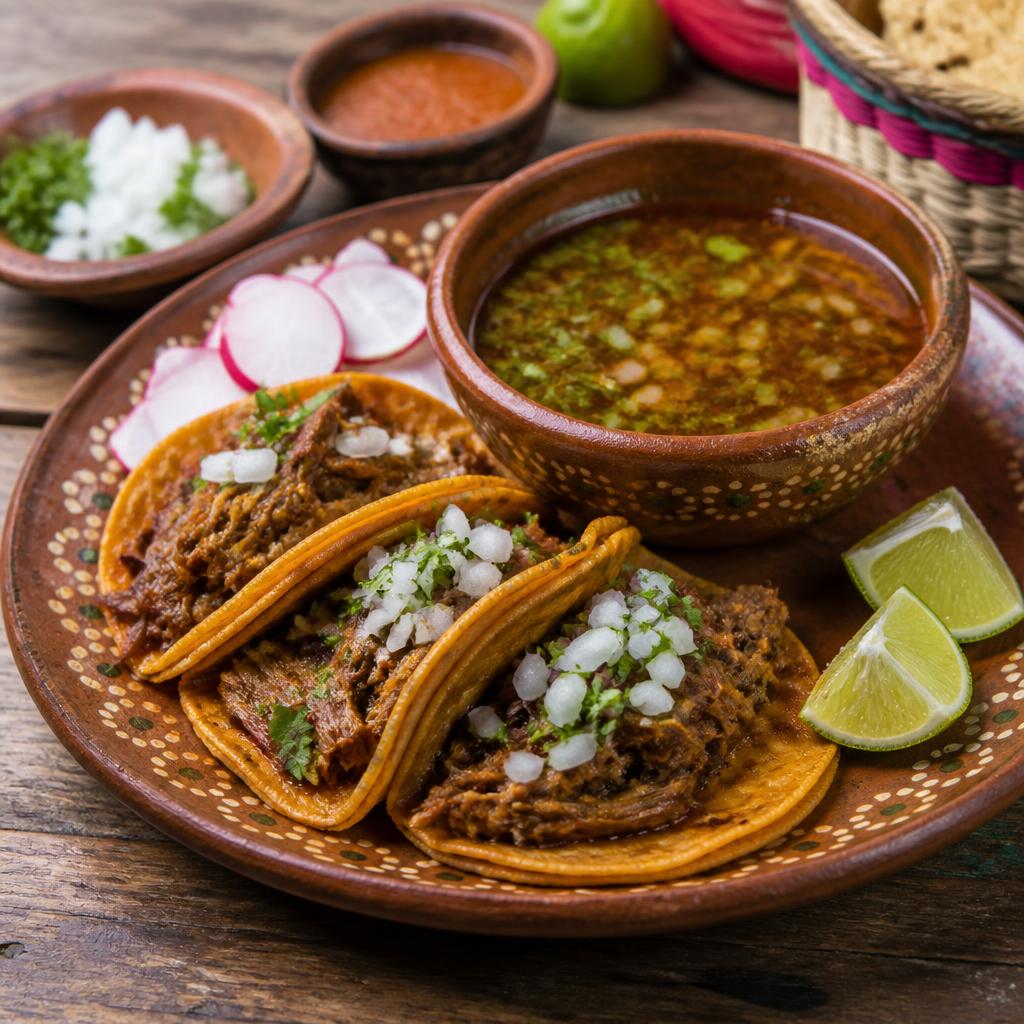
| Quesabirria | Birria taco with cheese | Slow-braised beef birria folded into a crisped, chile-dipped tortilla with melted Oaxaca cheese. Served with a cup of consomé for dipping. |
| Torta de Milanesa | Breaded steak sandwich | Thin breaded steak fried to order and piled into a telera roll with refried beans, avocado, tomato, lettuce, mayo, and pickled jalapeños. |
| Elote | Corn | Grilled corn on the cob rolled in crema and cotija, dusted with chile powder and finished with lime. |
| Agua de Horchata | Rice drink | House-made rice and cinnamon horchata, lightly sweet and served over ice. |
How Tacoter's AI Menu Description Generator works
- 1Open a menu item in your dashboard — or scan your paper menu and let items load automatically.
- 2Enter the dish name and, optionally, a few ingredients or a note like "family recipe, mild."
- 3Tap Generate. You get a description in about two seconds, plus the Spanish version.
- 4Edit anything that isn't true to your kitchen, then save. It's your voice with the typing removed.
The generator knows Mexican food specifically. It won't describe barbacoa as "BBQ," it won't call a torta a hoagie, and it keeps regional names intact instead of flattening everything into English. Full feature details live on the AI Menu Description Generator page.
Spanish translation included
Every description is generated in English and Spanish at the same time, and customers see the version matching their language toggle. That matters because translation is where most platforms fall down — machine translation of already-bad English produces text that reads like a warning label.
| Language | Generated text |
|---|---|
| English | Slow-braised beef birria folded into a crisped tortilla with melted Oaxaca cheese, served with consomé. |
| Español | Birria de res cocida a fuego lento en tortilla dorada con queso Oaxaca fundido, servida con consomé. |
Bilingual by default, everywhere in the product — see English & Spanish.
Real examples from Mexican restaurant menus
A 68-item menu in one afternoon
One Los Angeles taquería uploaded a photo of their laminated menu, generated descriptions for all 68 items, and spent about 40 minutes editing the ones that needed a family detail added. Previous estimate for doing it by hand: two weekends.
Specials that go live before the lunch rush
A weekend-only pozole rojo needs a description at 9 AM, not next week. Generate, glance, publish — and pair it with an AI-generated photo so the special doesn't sit on the menu as a bare line of text.
“I always knew our food was better than our menu made it sound. Now the menu sounds like the food.”
Three rules for using it well
- Always read before publishing. AI is a fast first draft, not a source of truth about your kitchen.
- Keep it honest. If the description promises house-made tortillas, they'd better be house-made.
- Stay consistent. Generate the whole menu in one pass so every item shares the same voice.
Next up: Easy Menu Management for keeping the menu current once it's written, or How to Calculate Food Cost for making sure the items you're selling harder are the profitable ones.
How long should a menu description be?
One to two sentences, twelve to twenty-five words. Long enough to name the protein, the method, and what comes with it; short enough to read on a phone without tapping "more."
| Length | Effect |
|---|---|
| 0–3 words ("Pork tacos") | Customer guesses, or skips the item |
| 12–25 words | The sweet spot — sells without slowing the scroll |
| 40+ words | Gets skimmed; the menu starts to feel like homework |
What the AI needs from you
Output quality tracks input specificity. Three details are usually enough to lift a description from generic to unmistakably yours:
- 1The cooking method or equipment — trompo, comal, plancha, barbacoa pit, slow braise.
- 2One signature detail — house-made tortillas, your salsa's chile, your family's marinade.
- 3What comes with it — number of tortillas, sides, garnishes, and whether consomé or salsa is included.
Skip all three and you'll get a competent description that could belong to any taquería. Include them and it reads like your kitchen wrote it, because effectively it did.
About the author
The Tacoter Team builds ordering websites and AI tools for taquerías and Mexican restaurants across the U.S. We write about margins, marketing, and operations from what we see in real restaurants every week.
Ready to grow your taquería?
Try AI menu descriptions free. Your own ordering website, your customer list, and AI tools built for Mexican restaurants.